


























In the vast realm of fitness, where iron meets flesh and ambition knows no bounds, bodybuilding stands as a testament to human perseverance and transformation. It is an art form, sculpting the body into a masterpiece of muscle and symmetry. Yet, beneath the sheen of competition and the echo of clanging weights lies a complex interplay between self-improvement and self-perception. As athletes push their physical limits in pursuit of the ideal physique, a shadowy question looms: does the pursuit of perfection in bodybuilding sow the seeds of body dysmorphia? This article delves into the intricate relationship between the sport’s aesthetic demands and the psychological landscape of its participants, exploring whether the quest for the ultimate form is a celebration of human potential or a mirror reflecting deeper insecurities.
The Psychological Impact of the Pursuit for Perfection
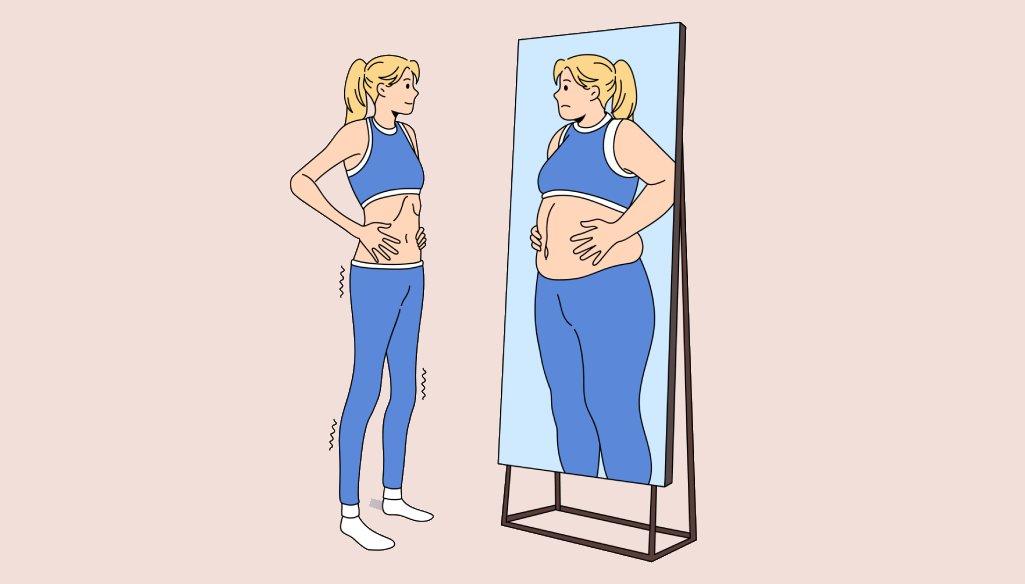
Engaging in bodybuilding often brings with it an unwavering commitment to achieving a certain aesthetic ideal. This journey, while physically rewarding, can sometimes lead individuals down a precarious path where the line between healthy ambition and obsessive perfectionism blurs. The pressure to maintain or achieve a perfect physique can trigger or exacerbate body dysmorphic tendencies, where individuals may become fixated on perceived flaws that are often invisible to others. The relentless pursuit of an idealized body image, fueled by societal and media-driven standards, can foster a distorted self-perception.
- Constant Comparison: Bodybuilders might constantly compare themselves to others in their community or on social media, leading to dissatisfaction with their own progress.
- Perfectionist Mindset: The sport often attracts those with a perfectionist mindset, which can intensify feelings of inadequacy when perfection remains elusive.
- Focus on Flaws: Even minor imperfections can become magnified, overshadowing achievements and leading to a cycle of negative self-assessment.
In this high-pressure environment, the mental health implications are significant. The drive for perfection can lead to chronic stress, anxiety, and depression, as individuals grapple with their self-image and the often unrealistic standards they strive to meet. While bodybuilding can promote health and discipline, it’s crucial to recognize and address the psychological risks involved, ensuring that the journey towards self-improvement does not come at the expense of mental well-being.
Navigating the Fine Line Between Healthy Fitness and Obsession
Engaging in bodybuilding can be a rewarding pursuit, offering numerous physical and mental benefits. However, it also requires careful self-awareness to avoid slipping into unhealthy patterns. Balancing fitness goals with personal well-being involves recognizing when the drive for a sculpted physique turns into an obsession. This obsession can potentially foster negative self-perception and lead to issues like body dysmorphia, where individuals become overly critical of their appearance.
- Self-reflection: Regularly assess your motivations for bodybuilding. Are you driven by a desire to be healthy, or are you seeking validation through appearance?
- Set realistic goals: Aim for achievable milestones that prioritize overall health rather than just aesthetics.
- Listen to your body: Pay attention to physical and mental fatigue. Overtraining can lead to burnout and exacerbate feelings of inadequacy.
- Seek support: Engage with a community or mental health professionals who can provide perspective and support if you feel your fitness journey is affecting your self-image negatively.
By maintaining a mindful approach, individuals can enjoy the benefits of bodybuilding while safeguarding against the risk of developing body dysmorphia. Understanding and addressing the emotional aspects of fitness is crucial in navigating this delicate balance.
Strategies for Maintaining a Positive Body Image in Bodybuilding
Developing a healthy relationship with one’s body is essential in bodybuilding, where the focus often leans heavily on aesthetics and performance. Here are some strategies to help maintain a positive body image:
- Set Realistic Goals: Aim for progress rather than perfection. Recognize that everyone’s body responds differently to training and nutrition, and celebrate small victories along the way.
- Practice Mindfulness: Engage in activities like yoga or meditation to foster a connection between mind and body. This can help in appreciating your body for what it can do, rather than just how it looks.
- Seek Support: Surround yourself with a community that encourages and uplifts you. Whether it’s a coach, training partner, or online group, having support can reinforce a positive outlook.
- Limit Social Media Exposure: Curate your feed to include accounts that promote body positivity and realistic representations of fitness. This can help reduce comparisons that often lead to negative self-perception.
Remember, the journey in bodybuilding is as much about mental strength as it is about physical prowess. Embracing these strategies can help cultivate a balanced view, fostering both a healthy mind and a healthy body.
Expert Recommendations for Mental Well-being in the Fitness World
In the pursuit of mental well-being within the fitness world, experts suggest a balanced approach to bodybuilding. It’s essential to cultivate a mindset that appreciates progress over perfection. Here are some strategies recommended by professionals to maintain a healthy mental outlook while engaging in bodybuilding:
- Self-awareness: Regularly assess your mental and emotional state. Understanding personal triggers and motivations can help mitigate the risk of developing body dysmorphia.
- Set realistic goals: Establish achievable objectives that focus on overall health and strength rather than solely on aesthetics. Celebrate small victories to boost self-esteem and motivation.
- Limit social media: Curate your social media feeds to include diverse body types and positive fitness influencers. Avoid comparing yourself to edited or unrealistic portrayals.
- Seek professional guidance: Consult with a mental health professional or a certified fitness coach to ensure your fitness journey supports both your physical and mental health.
Adopting these strategies can help create a positive environment where mental well-being and physical fitness coexist harmoniously.
Wrapping Up
In the intricate tapestry of human experience, bodybuilding emerges as both a canvas and a mirror—a pursuit that sculpts not only the body but also the perception of self. As we delve into the potential links between bodybuilding and body dysmorphia, it becomes clear that the relationship is as complex as the human psyche itself. For some, the discipline offers empowerment, transforming vulnerabilities into strength and confidence. For others, it may inadvertently amplify insecurities, casting shadows where there once was light.
Ultimately, the journey through bodybuilding is deeply personal, a reflection of individual aspirations and challenges. It calls for a mindful balance, a keen awareness of one’s mental and physical well-being. Whether the weights we lift are tangible or metaphorical, the key lies in recognizing the beauty of progress and the strength found in self-acceptance.
As we conclude this exploration, let us carry forward the understanding that bodybuilding, like any art, is open to interpretation. It holds the power to shape not just our bodies but our narratives. In this ongoing dialogue between flesh and spirit, may we all strive to find harmony, embracing the unique masterpieces that we are.