

























In a world where the clatter of fast-paced living often drowns out the whispers of well-being, the age-old adage “you are what you eat” is taking on new significance. While the physical benefits of a balanced diet are well-documented, a burgeoning field of research is shedding light on a profound connection that extends beyond the waistline. The link between food and mental health is emerging as a vital narrative, inviting us to explore how the choices on our plates may influence the landscapes of our minds. As we embark on this culinary journey, we delve into the science and stories that reveal how nutrition might hold the key to unlocking emotional resilience and cognitive vitality. Whether it is the soothing embrace of omega-3s or the vibrant allure of antioxidants, the relationship between what we consume and how we feel is a tapestry woven with complexity and promise.
Nourishing the Mind: How Diet Influences Emotional Well-being
It’s fascinating to consider how the food we consume acts as a powerful catalyst for our mental state. Nutrient-rich diets are like a symphony for the brain, where every vitamin and mineral plays its part in orchestrating emotional harmony. When we indulge in a balanced diet, rich in omega-3 fatty acids, antioxidants, and essential vitamins, we often find our mood stabilizing, anxiety levels diminishing, and overall mental clarity improving. It’s not just about avoiding the bad; it’s about embracing the good.
- Omega-3 Fatty Acids: Found in fish and flaxseeds, these are known to boost brain function and reduce symptoms of depression.
- Antioxidants: Present in fruits and vegetables, they combat oxidative stress, which is linked to mood disorders.
- Vitamin D: Often obtained from sunlight and fortified foods, it plays a role in regulating mood and warding off depression.
Meanwhile, diets high in processed sugars and trans fats can lead to mood swings and heightened stress levels. By being mindful of what we eat, we can nurture not just our bodies, but also our minds, fostering a state of well-being that resonates through every aspect of our lives.

Exploring Nutrient Deficiencies and Their Impact on Mental Health
It’s fascinating how our dietary choices ripple through our entire being, influencing not just physical health but also our mental well-being. Nutrient deficiencies can be the silent saboteurs of our mental health, quietly impacting mood, cognition, and overall mental function. Vitamin D, often termed the “sunshine vitamin,” is a prime example. A deficiency in this crucial nutrient is linked to mood disorders such as depression and seasonal affective disorder. Similarly, Omega-3 fatty acids, found in fish and flaxseeds, are essential for brain health. A lack of these can lead to cognitive decline and heightened anxiety.
- iron: Why the iron needs of people are different”>B Vitamins: Vital for energy production and neurotransmitter function, deficiencies can result in fatigue and mood swings.
- Iron: Crucial for oxygen transport in the blood, low levels can cause fatigue and depression.
- Zinc: Important for brain function, a shortage can lead to increased stress and anxiety.
Understanding the role of these nutrients in mental health empowers us to make informed dietary choices. By ensuring a balanced intake, we nurture not just our bodies, but our minds as well.

The Role of Gut Health in Emotional Resilience
Recent studies have illuminated the profound connection between the gut and the brain, often referred to as the “gut-brain axis.” This intricate communication network suggests that our digestive system does much more than process food; it plays a crucial role in our emotional well-being. A balanced gut microbiome can significantly influence our ability to handle stress, anxiety, and other emotional challenges, contributing to what is known as emotional resilience.
- Neurotransmitter Production: The gut is responsible for producing a significant amount of serotonin, a key neurotransmitter that regulates mood.
- Inflammation Reduction: A healthy gut can help reduce inflammation, which is linked to mood disorders.
- Stress Response: Gut health impacts the regulation of cortisol, the stress hormone, thereby influencing how we react to stress.
By nurturing our gut health through a diet rich in probiotics, prebiotics, and fiber, we can foster a more resilient emotional state. Incorporating fermented foods like yogurt and kimchi, alongside whole grains and leafy greens, can be a simple yet effective strategy to enhance mental fortitude.

Practical Dietary Tips for Boosting Mental Clarity and Mood
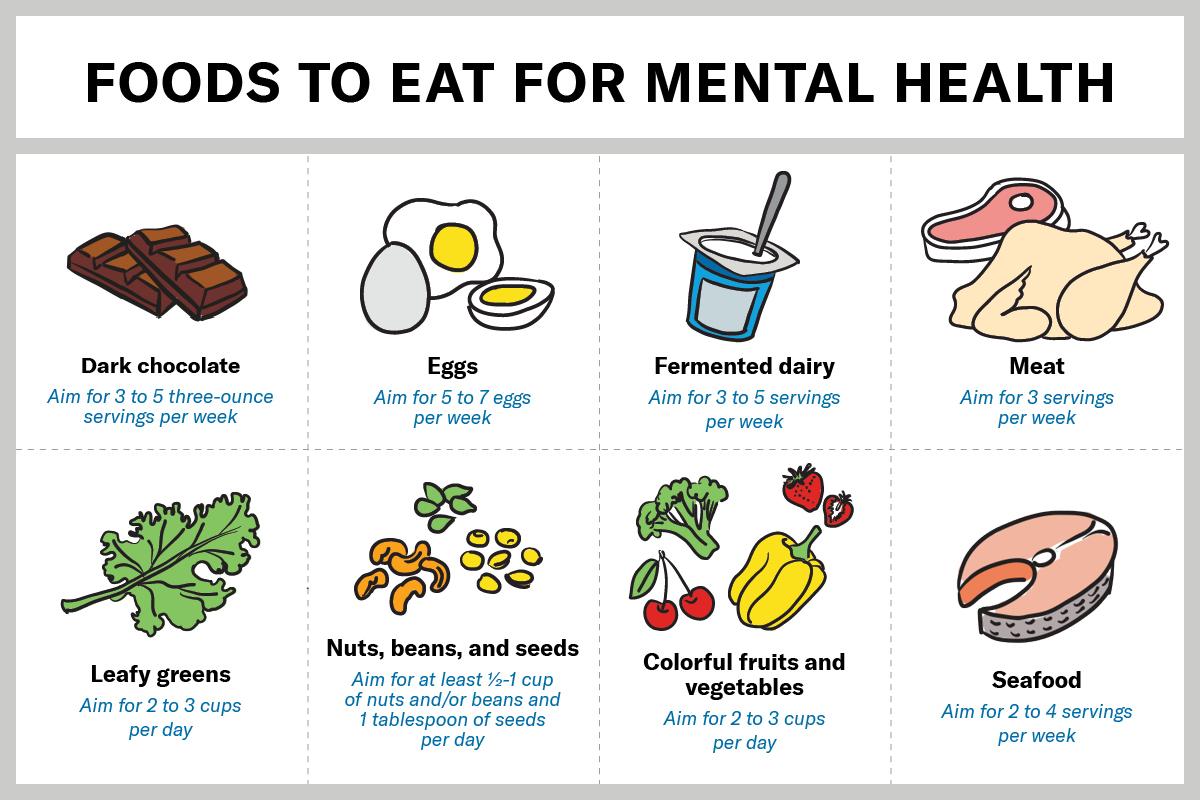
Incorporating certain foods into your daily meals can significantly enhance your mental clarity and uplift your mood. Start by adding omega-3 rich foods like salmon, walnuts, and flaxseeds to your diet. These essential fatty acids are known for their brain-boosting properties and can help improve cognitive function.
- Leafy greens such as spinach and kale are packed with folate, which can aid in reducing depression symptoms.
- Whole grains like oats and quinoa can help stabilize blood sugar levels, providing a steady stream of energy to the brain.
- Don’t forget to include berries, which are high in antioxidants that protect the brain from oxidative stress.
- Fermented foods such as yogurt and kimchi are excellent for gut health, which is closely linked to mental well-being.
Lastly, staying hydrated is crucial. Dehydration can lead to fatigue and decreased concentration, so make sure to drink plenty of water throughout the day. By mindfully choosing what you eat, you can support both your body and mind, fostering a healthier, more balanced lifestyle.
Concluding Remarks
As we conclude our exploration of the intricate link between food and mental health, it becomes clear that what we choose to nourish our bodies with has a profound impact on our minds. The symbiotic relationship between our diet and mental well-being is a testament to the age-old adage: we truly are what we eat. While science continues to unravel the complexities of this connection, one thing remains certain—mindful eating is not just a path to physical health but a gateway to mental clarity and emotional balance. As you navigate your own culinary journey, remember that each bite is an opportunity to foster a more harmonious connection between your body and mind. In this ever-evolving narrative of nourishment, let us be both curious explorers and thoughtful stewards, nurturing not just our bodies, but our mental landscapes as well.