























In the bustling world of dietary advice, where trends come and go as swiftly as the seasons, the quest for a balanced diet plan for weight loss remains a steadfast goal for many. Imagine embarking on a journey where each meal is a carefully curated masterpiece, designed to nourish not just your body, but your spirit. A journey where the scale becomes a mere tool rather than a tyrant, and where the art of eating harmoniously blends science with simplicity. In this article, we will explore the intricacies of crafting a diet plan that doesn’t just aim for the fleeting promise of a slimmer silhouette, but one that fosters a sustainable, healthy relationship with food. Let us delve into the principles and practices that can guide you toward achieving your weight loss goals, while savoring every bite along the way.
Understanding Nutritional Needs for Effective Weight Loss
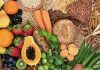
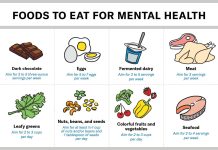
Crafting a diet plan for weight loss involves more than just cutting calories; it’s about nourishing your body with the right mix of nutrients. To begin, focus on incorporating a variety of whole foods into your meals. This includes an abundance of colorful vegetables, lean proteins, and healthy fats. Such foods not only keep you full longer but also provide essential vitamins and minerals. Remember, balance is key—each meal should contain a good mix of macronutrients to support energy levels and metabolic functions.
- Lean Proteins: Opt for sources like chicken, turkey, tofu, and legumes to support muscle maintenance and repair.
- Complex Carbohydrates: Include whole grains such as quinoa, brown rice, and oats to provide sustained energy.
- Healthy Fats: Incorporate avocados, nuts, and olive oil for heart health and satiety.
- Fiber-Rich Vegetables: Load up on leafy greens, broccoli, and carrots to aid digestion and keep you feeling full.
While structuring your diet, don’t forget to stay hydrated and limit processed foods and added sugars. By understanding your nutritional needs and creating a well-rounded meal plan, you pave the way for effective and sustainable weight loss.
Crafting a Calorie-Conscious Meal Plan
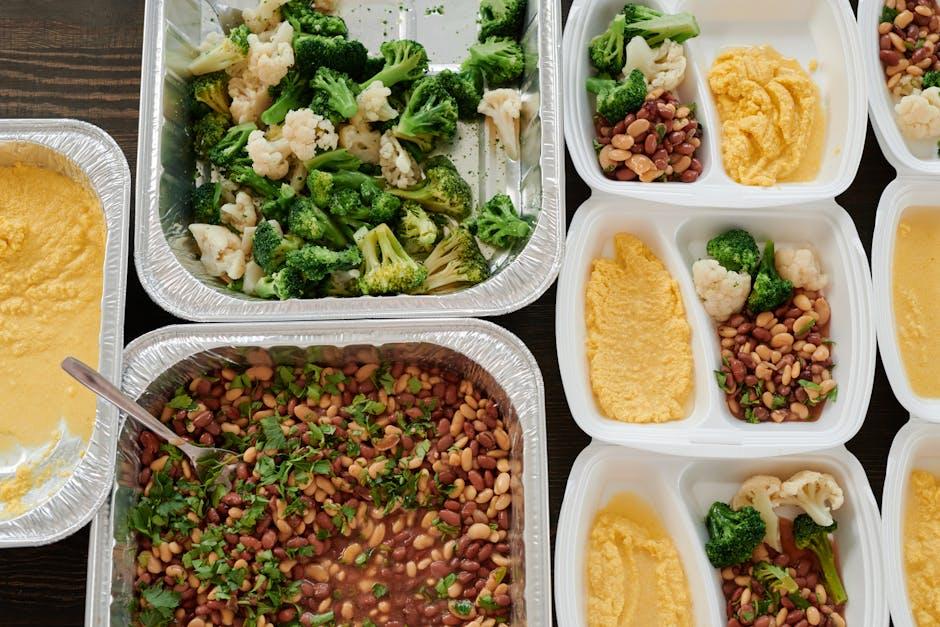
Embarking on a journey to a healthier lifestyle starts with a thoughtful approach to meal planning. By focusing on nutrient-dense foods and balanced portions, you can create a satisfying and sustainable diet plan that supports weight loss goals. Start by incorporating a variety of colorful vegetables and lean proteins, which provide essential nutrients without excessive calories. Opt for whole grains over refined ones to ensure you’re getting enough fiber, which can help keep you full and satisfied throughout the day. It’s also important to include healthy fats from sources like avocados, nuts, and olive oil, which can aid in nutrient absorption and promote satiety.
- Focus on Portion Control: Use measuring cups or a food scale to understand serving sizes and avoid overeating.
- Stay Hydrated: Sometimes thirst is mistaken for hunger, so aim for at least 8 glasses of water a day.
- Plan Ahead: Prepare meals in advance to avoid last-minute unhealthy choices.
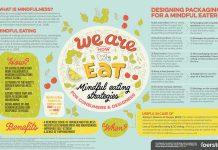
- Mindful Eating: Pay attention to hunger cues and savor each bite to improve your relationship with food.
Remember, a successful meal plan is one that is both realistic and enjoyable. Experiment with different recipes and ingredients to keep your meals exciting and prevent monotony. Over time, these small changes can lead to significant improvements in your overall health and well-being.

Incorporating Essential Nutrients for Optimal Health
Embarking on a weight loss journey doesn’t mean sacrificing essential nutrients. In fact, integrating these vital components into your daily meals can boost your metabolism, support muscle health, and enhance overall well-being. A successful plan includes a variety of food groups, ensuring you receive the full spectrum of nutrients. Here’s a breakdown of some critical elements:
- Proteins: Opt for lean sources like chicken, fish, tofu, and legumes to build and repair tissues while keeping you satiated longer.
- Healthy Fats: Incorporate avocados, nuts, seeds, and olive oil to provide energy and support cell growth.
- Complex Carbohydrates: Whole grains, sweet potatoes, and quinoa offer sustained energy and fiber, aiding digestion and reducing cravings.
- Vitamins and Minerals: Ensure a colorful plate with fruits and vegetables, such as spinach, berries, and bell peppers, to fortify your immune system and boost your mood.
By balancing these nutrients, you create a robust foundation for a diet that not only promotes weight loss but also nurtures your body from within. Prioritize quality over quantity and listen to your body’s cues, paving the way for a sustainable and healthy lifestyle.
Strategies for Sustainable Eating Habits
To cultivate a truly balanced diet plan for weight loss, it’s essential to embrace strategies that prioritize both health and sustainability. Mindful meal planning is a cornerstone of this approach. Start by incorporating a variety of colorful fruits and vegetables into your meals, as they are rich in essential nutrients and low in calories. Opt for whole grains like quinoa, brown rice, and oats, which provide sustained energy and help keep you feeling full longer. Plant-based proteins such as beans, lentils, and tofu not only support weight loss but also reduce your carbon footprint.
- Diversify your protein sources: Mix in nuts, seeds, and legumes with lean meats or fish.
- Embrace seasonal and local produce: This reduces the environmental impact and often enhances the freshness and flavor of your meals.
- Practice portion control: Use smaller plates and be mindful of serving sizes to prevent overeating.
Additionally, prioritize hydration with plenty of water and limit the intake of sugary beverages. Preparing meals at home allows you to control ingredients and avoid unnecessary additives. By integrating these sustainable practices, you not only work towards achieving your weight loss goals but also contribute to a healthier planet.
Insights and Conclusions
As we conclude our exploration of crafting a balanced diet plan for weight loss, it’s essential to remember that the journey towards a healthier you is both personal and dynamic. Just as an artist blends colors to create a masterpiece, you have the power to mix nutrients, flavors, and textures to design a diet that not only fuels your body but also delights your senses. Embrace this process with patience and curiosity, allowing room for adjustments and celebrations of small victories along the way. Remember, the ultimate goal is not just a change in numbers on a scale, but a transformation in how you nourish and honor your body. Here’s to a balanced approach to eating that supports your aspirations and enhances your well-being, one mindful bite at a time.