





















In an era where health consciousness has become a pivotal part of daily life, the allure of immunity-boosting supplements shines brightly in the wellness industry. These capsules, powders, and tinctures, often adorned with vibrant labels promising enhanced vitality and resilience, have captured the imaginations of many seeking to fortify their natural defenses. But amidst the kaleidoscope of vitamins, minerals, and herbal concoctions, a pressing question emerges: do these supplements truly live up to their claims? In this exploration of the effectiveness of immunity-boosting supplements, we delve into the scientific underpinnings, consumer experiences, and expert insights that paint a comprehensive picture of their role in modern health regimes. Join us as we navigate the intricate landscape of immunity enhancement, where ancient wisdom meets contemporary science, and promises of wellness are put to the test.
Exploring the Science Behind Immunity-Boosting Supplements
In recent years, the market has seen a surge in products claiming to boost the immune system, promising everything from increased resistance to infections to quicker recovery times. These supplements often contain a blend of vitamins, minerals, and herbs purported to enhance immune function. But how effective are they really? Understanding the science behind these claims is essential to making informed choices.
- Vitamin C: Often hailed as the go-to for immune support, Vitamin C is believed to stimulate the production of white blood cells, which are crucial for fighting infections. However, while it may reduce the duration of a cold, it doesn’t necessarily prevent it.
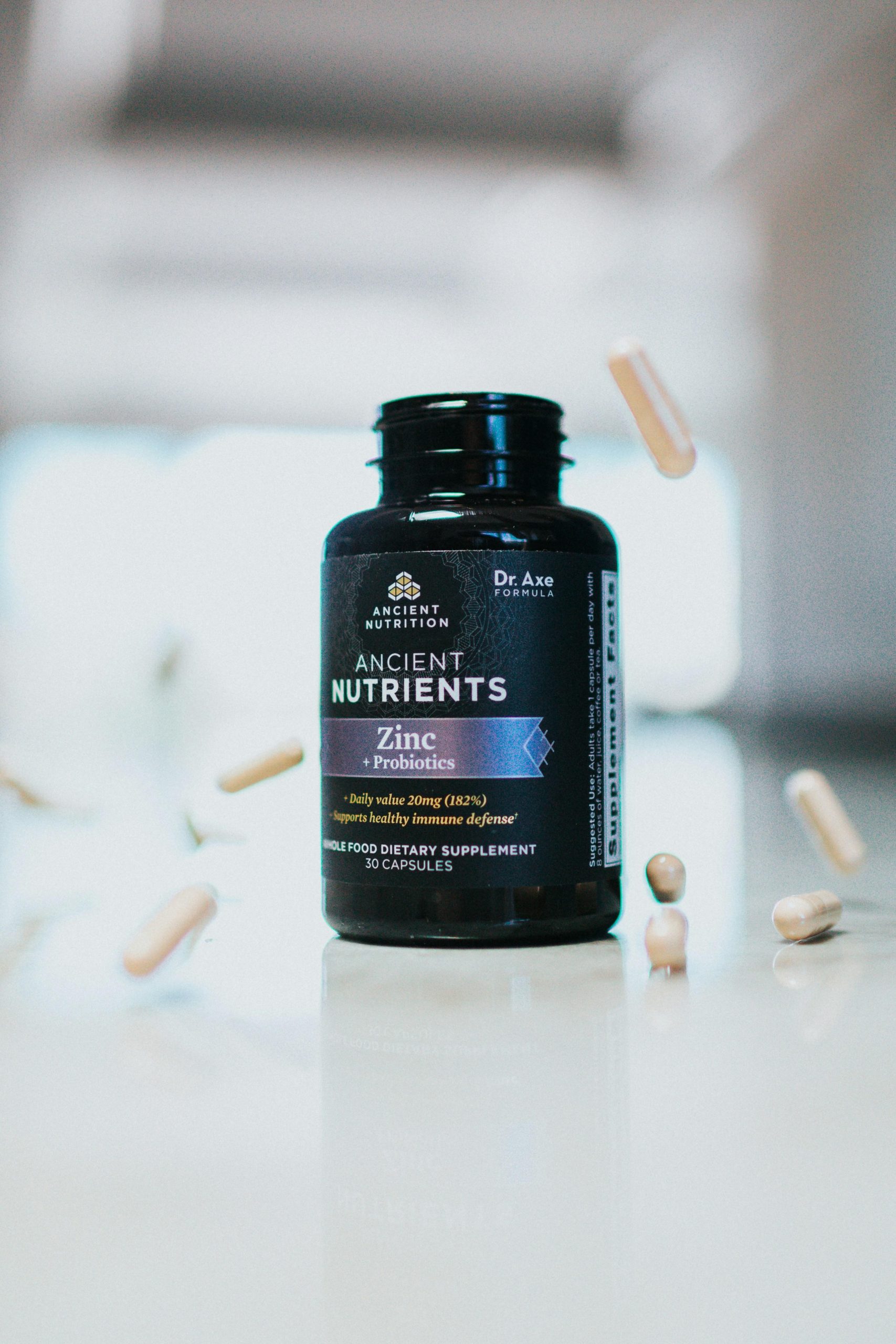
- Zinc: This mineral plays a vital role in maintaining immune function. Some studies suggest that zinc lozenges might shorten the duration of colds, though excessive intake can lead to adverse effects.
- Echinacea: This herbal supplement is commonly used to prevent colds. Research offers mixed results, with some studies indicating a slight reduction in cold incidence and others showing no significant benefit.
- Probiotics: By supporting gut health, probiotics may indirectly influence immune function. They are believed to enhance the gut’s ability to block pathogens, though more research is needed to confirm their effectiveness in immunity boosting.
While these supplements can be a part of a health regimen, they are not a substitute for a balanced diet and healthy lifestyle. It’s crucial to approach these products with a critical eye and consult with healthcare professionals before starting any new supplement.
Assessing the Impact of Key Ingredients on Immune Health
Understanding how specific ingredients in supplements affect immune health is crucial for making informed choices. Vitamin C, known for its antioxidant properties, is believed to support various cellular functions of both the innate and adaptive immune systems. Zinc, another essential nutrient, plays a pivotal role in immune cell development and communication, while also having a profound effect on inflammation reduction. Elderberry, a popular ingredient in many immune-boosting products, is rich in flavonoids that may help decrease the severity of cold and flu symptoms.
In addition to these, other key components often highlighted in immunity supplements include:
- Probiotics: These beneficial bacteria are linked to gut health, which is intricately connected to immune function.
- Turmeric: Its active compound, curcumin, is recognized for its anti-inflammatory and antioxidant effects.
- Garlic: Known for its antimicrobial properties, it may help reduce the frequency of colds.
While these ingredients show promise, their effectiveness can vary based on dosage, formulation, and individual health conditions. A comprehensive approach, including a balanced diet and healthy lifestyle, remains essential for optimal immune support.

Potential Benefits and Risks: A Balanced Perspective
When considering immunity-boosting supplements, it’s essential to weigh both the potential benefits and risks to make informed decisions. Potential benefits often highlighted include enhanced immune response, reduced frequency of colds, and faster recovery times. Many supplements, such as vitamin C, zinc, and echinacea, are believed to support immune function. For some individuals, especially those with nutrient deficiencies, these supplements can play a crucial role in maintaining health. Moreover, they may provide a convenient solution for those with busy lifestyles who struggle to consume a balanced diet regularly.
However, it’s important to acknowledge the risks associated with these supplements. Overconsumption can lead to adverse effects, such as gastrointestinal discomfort or, in extreme cases, toxicity. The efficacy of these supplements is often debated, with some studies showing limited evidence supporting their widespread use. Additionally, the lack of regulation in the supplement industry raises concerns about the quality and authenticity of products on the market. Users should be cautious, opting for supplements from reputable sources and consulting healthcare professionals before incorporating them into their routine.
Expert Recommendations for Choosing the Right Supplements
When navigating the world of immunity-boosting supplements, it’s crucial to focus on products that are both effective and safe. Experts suggest prioritizing supplements that have undergone rigorous testing and have been backed by scientific research. Key ingredients to look for include Vitamin C, Zinc, and Elderberry, all of which have shown promising results in enhancing immune response.
- Vitamin C: Known for its antioxidant properties, it helps protect against immune system deficiencies.
- Zinc: Plays a vital role in immune cell function and can reduce the duration of cold symptoms.
- Elderberry: Often used in traditional medicine, it may reduce the severity and length of flu symptoms.
Additionally, consider the supplement’s form—whether it’s a tablet, powder, or liquid—as this can affect absorption and convenience. Consulting with a healthcare provider is advisable to tailor supplement choices to individual health needs and conditions.
Insights and Conclusions
In the ever-evolving landscape of health and wellness, the quest for optimal immunity remains a focal point for many. As we’ve explored the various facets of immunity-boosting supplements, it becomes clear that while these elixirs of wellness hold promise, they are but a single thread in the intricate tapestry of our health. The science, though burgeoning, still calls for further exploration and understanding. As consumers, the onus lies on us to navigate this vast domain with discernment and an open mind, embracing both the age-old wisdom of natural remedies and the rigor of modern scientific inquiry. perhaps the most potent immunity booster lies not in a bottle, but in a balanced lifestyle that harmonizes nutrition, exercise, and mindfulness. As we continue this journey toward health, may we remain curious, informed, and ever open to the wonders of our body’s innate resilience.