














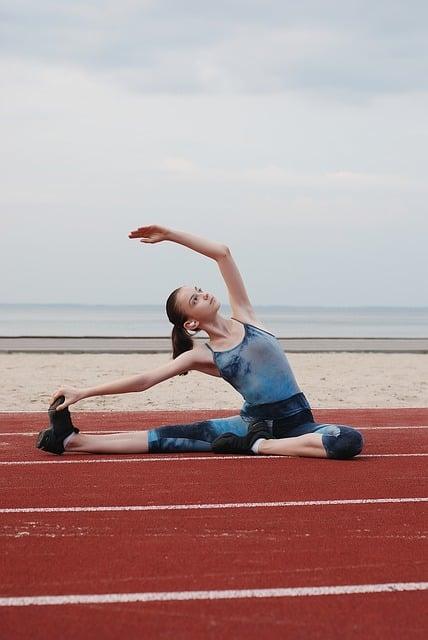
In a world where the image of fitness is often painted with the broad strokes of chiseled abs and minimal body fat, the question arises: Can you be “fit” without being lean? This intriguing inquiry challenges the conventional perception of fitness, inviting us to explore the multifaceted nature of health and well-being. Fitness, after all, is not merely a reflection in the mirror but a dynamic blend of strength, endurance, flexibility, and mental resilience. As we embark on this journey, we will delve into the science, stories, and societal norms that shape our understanding of fitness, uncovering whether leanness is truly the gold standard or just one of many pathways to a healthy life.
Understanding Fitness Beyond the Scale
In the pursuit of fitness, it’s essential to acknowledge that well-being transcends mere numbers on a scale. Fitness is a multifaceted concept that includes various elements beyond body fat percentage or the size of your waistline. Here are some aspects to consider:
- Cardiovascular Endurance: The ability of your heart and lungs to sustain activity over time. This is a key indicator of overall health.
- Muscular Strength and Endurance: Being strong doesn’t necessarily mean being lean. Strength is about how well your muscles can perform work over time.
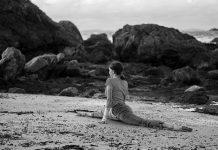
- Flexibility: A flexible body can move more freely and is less prone to injury.
- Mental Health: Physical activity is known to boost mood and reduce anxiety, showcasing that fitness also pertains to mental well-being.
Balance and coordination are also vital components of fitness that contribute to one’s overall quality of life. Focusing solely on leanness can overshadow these critical areas. Recognizing the diversity in body types and fitness levels encourages a more inclusive view of health, where the emphasis is placed on how you feel and function, rather than how you look.
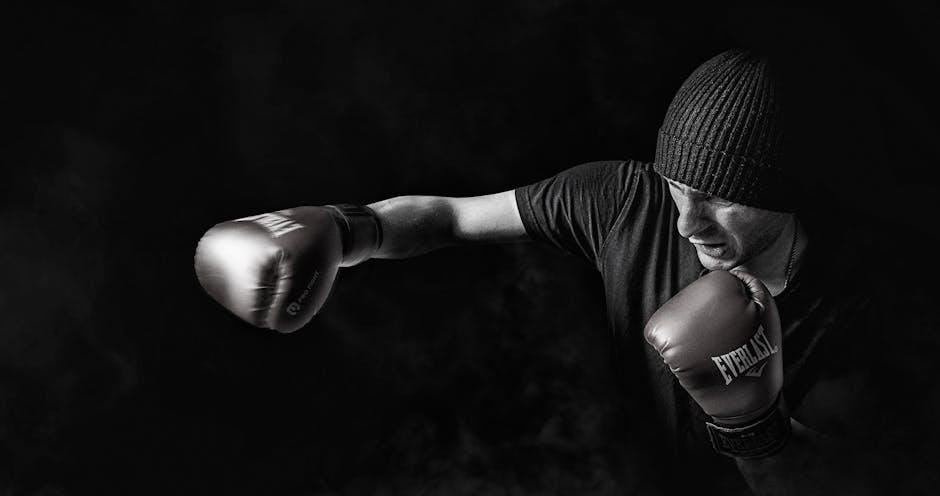
Embracing Strength and Stamina Over Aesthetics
In a world often obsessed with the pursuit of the perfect physique, it’s crucial to recognize that fitness is not synonymous with leanness. Embracing strength and stamina means focusing on what your body can achieve rather than how it looks. This shift in perspective allows for a more holistic approach to health and wellness, emphasizing functionality over form. Consider the following benefits:
- Improved Performance: Building strength and endurance can enhance your ability to perform daily activities, sports, or any physical tasks with greater ease and efficiency.
- Enhanced Mental Health: Focusing on strength and stamina can boost your mood, reduce anxiety, and improve overall mental well-being.
- Sustainable Lifestyle: Prioritizing functional fitness over aesthetic goals often leads to more sustainable and enjoyable exercise routines.
By celebrating the capabilities of your body, you cultivate a deeper appreciation for what it can do, rather than how it looks. This mindset not only fosters a more inclusive definition of fitness but also empowers individuals to pursue health on their own terms, free from societal pressures.
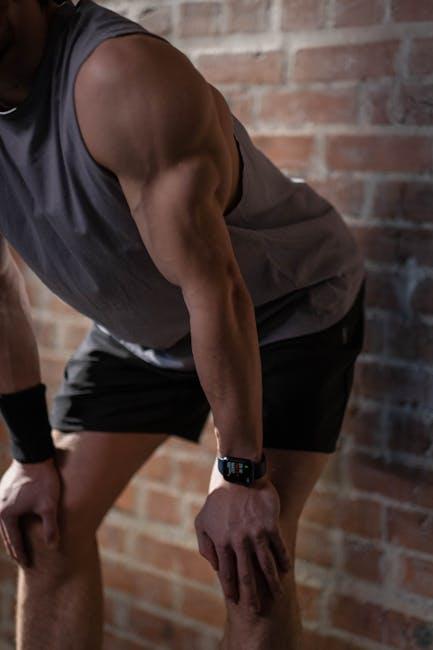
The Role of Body Composition in Overall Health
Body composition, a term often interwoven with fitness and health discussions, goes beyond the simplistic notion of leanness. It encompasses the proportion of fat, bone, water, and muscle in the body, each playing a crucial role in one’s health profile. While being lean is frequently associated with being fit, the reality is more nuanced. Fitness is not solely defined by low body fat percentages but rather a harmonious balance of these components that support optimal physical function and well-being.
Consider these elements when assessing your health:
- Muscle Mass: Essential for strength, endurance, and metabolic health.
- Bone Density: Important for structural integrity and prevention of osteoporosis.
- Fat Distribution: Key in assessing risk factors for diseases such as diabetes and heart disease.
- Hydration Levels: Critical for maintaining bodily functions and overall vitality.
Thus, the pursuit of fitness should emphasize a comprehensive approach, focusing on enhancing and maintaining all aspects of body composition rather than fixating solely on achieving a lean physique.
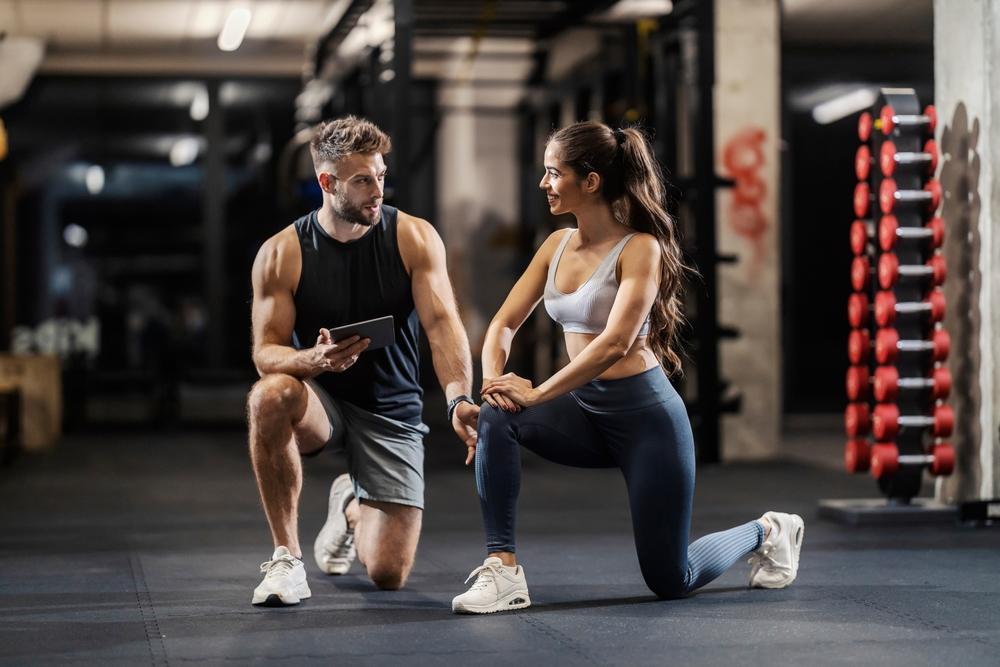
Crafting a Personalized Fitness Journey
In today’s world, the definition of fitness is evolving, moving beyond the traditional view of leanness as the ultimate goal. A personalized fitness journey recognizes that being fit can encompass a diverse range of body types and abilities. Fitness is about more than just aesthetics; it’s about how you feel and what your body can achieve. This journey is deeply personal and can include various goals such as improved strength, enhanced flexibility, or increased endurance.
- Embrace Your Unique Body: Celebrate the capabilities of your body without the pressure to conform to a single standard.
- Set Holistic Goals: Focus on overall well-being, including mental health, rather than just physical appearance.
- Explore Different Activities: Engage in activities that you enjoy, whether it’s hiking, yoga, or dancing, to maintain motivation and joy in your routine.
Crafting your fitness journey means acknowledging that fitness is a broad concept, one that is not confined to a single shape or size. It’s about nurturing a lifestyle that prioritizes health, happiness, and a balanced approach to physical activity.
In Summary
the journey to fitness is as diverse and unique as each individual who embarks upon it. While the pursuit of leanness often dominates the narrative, it’s crucial to remember that being “fit” transcends the numbers on a scale or the reflection in the mirror. Fitness is a mosaic of strength, endurance, flexibility, and mental well-being, interwoven with the threads of personal goals and individual health needs. As we navigate this intricate landscape, let us celebrate the myriad forms of fitness, embracing the idea that our bodies can be powerful, resilient, and capable, regardless of leanness. In redefining what it means to be fit, we open the door to a more inclusive and empowering vision of health, one that honors the diverse tapestries of our lives and the boundless potential within us all.