



























In the gentle embrace of our homes, where the world outside fades into the background, stress can often find its way into our lives, weaving through the cracks of daily routines. Yet, within these familiar walls lies the potential for tranquility and calm. Imagine transforming your living space into a sanctuary of serenity, where simple practices can melt away the weight of the day. In this article, we explore uncomplicated and effective strategies to cultivate peace and reduce stress at home, turning everyday moments into opportunities for relaxation and rejuvenation. Whether you’re seeking solace from a hectic schedule or looking to enhance your well-being, these practices offer a pathway to a more harmonious life.
Creating a Calm Environment for Mindful Living
Transforming your home into a sanctuary of tranquility doesn’t require drastic changes. Instead, it’s about embracing simple, intentional practices that cultivate peace and mindfulness. Begin by decluttering your space—a clear space fosters a clear mind. Consider the use of natural light and soft, warm lighting to create a soothing atmosphere. Introduce elements of nature, such as plants or a small indoor fountain, which can help lower stress levels and improve air quality.
- Mindful Aromatherapy: Incorporate essential oils like lavender or chamomile to promote relaxation.
- Soundscapes: Play gentle background music or nature sounds to maintain a serene ambiance.
- Comfort Corners: Designate a cozy nook with plush cushions and a soft throw for meditation or reading.
These small, mindful adjustments can have a significant impact on your emotional well-being, turning your home into a haven of calm amidst the chaos of daily life.

Harnessing the Power of Routine for Stress Reduction
Incorporating a structured daily routine can be a game-changer when it comes to managing stress at home. By setting consistent patterns, you create a sense of predictability and control that can significantly reduce anxiety. Here are some simple yet effective practices you can weave into your day:
- Morning Mindfulness: Start your day with a brief meditation or breathing exercise. Even just five minutes can set a calm tone for the hours ahead.
- Dedicated Downtime: Allocate specific times for relaxation without any distractions. This could be a quiet moment with a book or a soothing bath.
- Evening Unwind: Establish a calming evening routine to signal your body that it’s time to wind down. Consider dimming the lights and disconnecting from screens at least an hour before bed.
By embedding these practices into your daily life, you’ll cultivate a serene environment that supports both mental and physical well-being.

Nurturing Mental Wellness through Simple Daily Practices
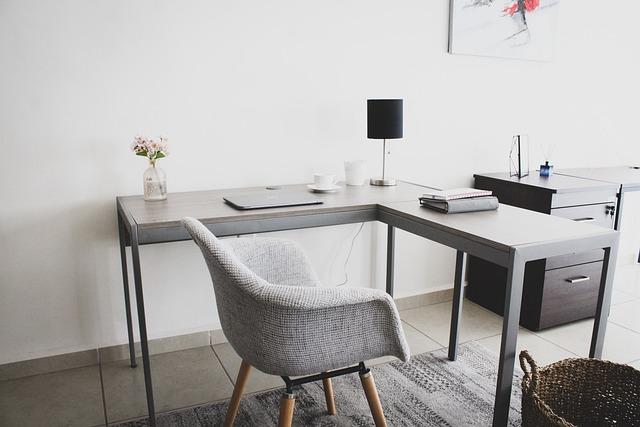
Incorporating simple yet effective practices into your daily routine can make a significant difference in managing stress levels at home. Start by creating a dedicated mindfulness corner in your living space. This can be a cozy nook with a comfortable chair, some soft lighting, and perhaps a few plants. Use this space to practice meditation or deep breathing exercises for a few minutes each day. These practices help ground you in the present moment, reducing anxiety and promoting mental clarity.
Consider adding these activities to your routine:
- Morning Stretching: Spend five to ten minutes stretching your body after waking up. This not only invigorates your muscles but also sets a positive tone for the day.
- Digital Detox: Allocate specific times to disconnect from digital devices. Use this time to engage in hobbies, read a book, or simply enjoy the silence.
- Gratitude Journaling: Write down three things you are grateful for each day. This practice shifts focus from stressors to the positives in life, enhancing overall well-being.
Fostering Connection and Communication at Home
In the hustle and bustle of daily life, creating a nurturing environment at home can be transformative. One of the most effective ways to achieve this is by fostering open and meaningful communication. Start by dedicating time for regular family check-ins, where everyone can share their thoughts and feelings. This not only helps in understanding each other better but also strengthens the family bond. Incorporate technology-free times, perhaps during dinner, to encourage face-to-face interactions. These moments of genuine connection can significantly reduce stress and enhance the emotional climate at home.
- Active Listening: Make an effort to listen without interrupting. This can make family members feel valued and understood.
- Express Gratitude: Regularly express appreciation for each other, no matter how small. It fosters a positive atmosphere.
- Shared Activities: Engage in activities that everyone enjoys, such as cooking together or playing board games, to create joyful memories.
- Open Dialogue: Encourage everyone to express their needs and concerns openly, promoting a culture of trust and empathy.
To Conclude
As we draw the curtains on this exploration of simple practices for reducing stress at home, let us remember that the journey to tranquility is often paved with small, intentional steps. Each mindful breath, uncluttered corner, and moment of gratitude serves as a gentle reminder that peace is not a distant destination, but a state of being we can nurture within our own walls. As you incorporate these practices into your daily routine, may your home transform into a sanctuary of calm, where stress finds no welcome and serenity becomes your steadfast companion. In this ever-busy world, may your heart find rest in the simple joys of everyday life, and may you craft a haven of harmony, one mindful moment at a time.