



















In the quiet rhythm of a beating heart lies the subtle symphony of life, a delicate balance that sustains our every breath. Yet, for many, this harmony is disrupted by the silent force of high blood pressure, a common yet formidable foe. As modern medicine advances, so too does our understanding of the natural world and its potential to heal. This article explores the myriad ways nature offers gentle solutions to lower blood pressure, inviting us to rediscover the simple, profound remedies that have been whispering to us for centuries. From the vibrant palette of fruits and vegetables to the tranquil embrace of mindful practices, join us as we delve into the natural paths to restoring balance and vitality.
Harnessing the Power of a Heart-Healthy Diet
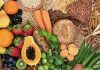
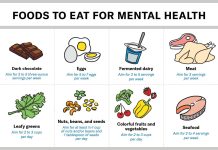
Embracing a diet rich in nutrients can significantly influence your cardiovascular well-being. Begin by integrating more fruits and vegetables into your meals, as they are abundant in essential vitamins and minerals. Whole grains like quinoa, brown rice, and oats provide a steady release of energy and are rich in fiber, which can aid in maintaining healthy blood pressure levels. Additionally, lean proteins such as fish, chicken, and legumes should be prioritized over red meats to reduce saturated fat intake.
Consider the impact of healthy fats found in foods like avocados, nuts, and olive oil, which can support heart health by improving cholesterol levels. Limiting sodium is crucial; try seasoning your dishes with herbs and spices instead of salt. Stay hydrated with plenty of water, and enjoy herbal teas that can have a calming effect on the body. These dietary adjustments, when combined with a balanced lifestyle, can naturally help manage and lower blood pressure.
- Increase intake of fruits and vegetables
- Opt for whole grains and lean proteins
- Include healthy fats from nuts and olive oil
- Limit sodium by using herbs and spices
- Stay hydrated and enjoy herbal teas
Embracing Physical Activity for Better Blood Pressure
Engaging in regular physical activity can be a powerful ally in maintaining healthy blood pressure levels. By integrating a variety of exercises into your daily routine, you can enhance cardiovascular health and reduce stress, both of which are essential for controlling blood pressure. Consider incorporating the following activities:
- Walking or Jogging: A brisk walk or a light jog can significantly improve heart health and circulation.
- Cycling: This low-impact exercise is excellent for building endurance and strengthening the heart.
- Swimming: Provides a full-body workout that is easy on the joints, promoting both cardiovascular fitness and relaxation.
- Yoga: Helps in reducing stress levels while enhancing flexibility and strength, contributing to overall well-being.
- Strength Training: Building muscle can aid in maintaining a healthy weight, which is crucial for blood pressure management.
Incorporating these activities into your lifestyle can create a ripple effect of health benefits, ultimately leading to a more balanced and vibrant life. Always remember to consult with a healthcare professional before starting any new exercise regimen, especially if you have pre-existing health conditions.

Stress Management Techniques to Calm Your Mind and Body
Incorporating stress management techniques into your daily routine can significantly contribute to lowering your blood pressure naturally. One effective method is practicing mindfulness meditation, which encourages you to focus on the present moment and release any tension or anxiety. Deep breathing exercises can also be a powerful tool, as they help to slow down your heart rate and reduce stress hormones. Consider setting aside a few minutes each day to sit quietly, close your eyes, and take deep, deliberate breaths, allowing your mind and body to relax.
- Physical activity – Engaging in regular exercise, such as walking, yoga, or tai chi, not only helps to relieve stress but also improves overall cardiovascular health.
- Aromatherapy – Utilizing essential oils like lavender or chamomile can create a calming atmosphere that aids in stress reduction.
- Progressive muscle relaxation – This involves tensing and then slowly releasing different muscle groups in the body, promoting relaxation and reducing physical tension.
Integrating these techniques into your lifestyle can foster a sense of peace and well-being, supporting your journey towards naturally managing blood pressure levels.

Exploring Herbal Remedies and Supplements
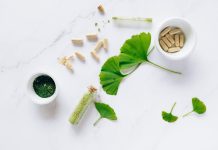
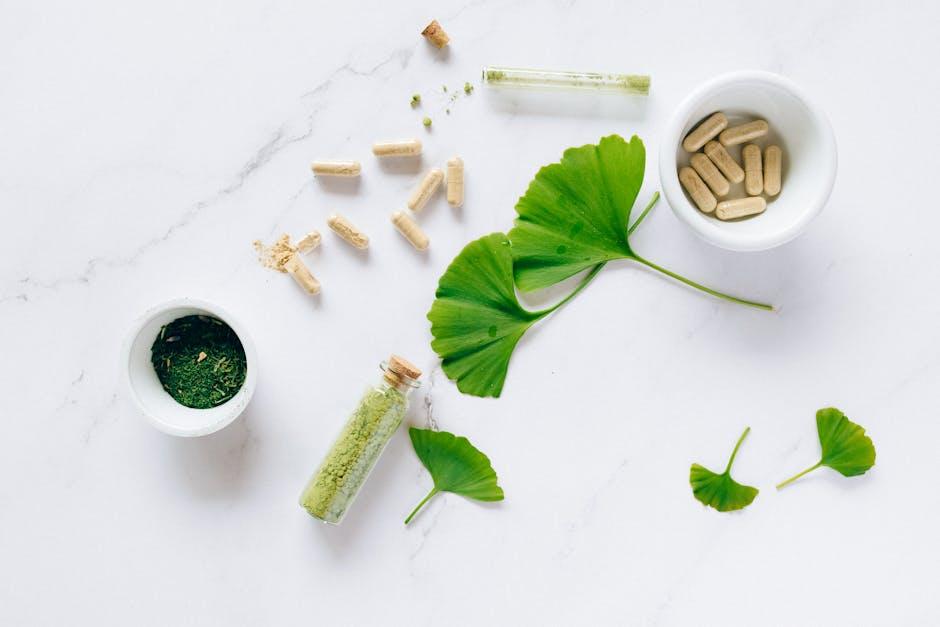
Delving into the world of herbs and natural supplements can offer promising alternatives for managing high blood pressure. Many herbs have been traditionally used for their potential heart-healthy benefits. Garlic, for instance, is known for its ability to help relax blood vessels, potentially lowering systolic and diastolic pressures. Hawthorn, a flowering shrub, has been praised in herbal medicine for its ability to improve circulation and reduce heart strain. These botanical allies may serve as supportive companions in maintaining cardiovascular health.
- Garlic: May help reduce blood pressure by acting as a vasodilator.
- Hawthorn: Traditionally used to support heart health and improve circulation.
- Omega-3 Fish Oil: Often used for its anti-inflammatory properties, which can aid in blood pressure regulation.
- Coenzyme Q10: A powerful antioxidant that may support heart health by improving energy production in cells.
While these natural options offer potential benefits, it’s crucial to approach them with informed caution. Consulting with a healthcare provider ensures that these supplements complement your health regimen without interfering with existing treatments or conditions. The journey to better heart health can be enriched with nature’s gifts, but should always be guided by professional advice.
In Conclusion
In the harmonious dance of life, maintaining a balanced rhythm is key, and nurturing our blood pressure naturally can be an integral part of this melody. As we navigate the rich tapestry of holistic health, embracing lifestyle changes like mindful eating, regular movement, and stress management can lead us to a state of equilibrium. These natural strategies not only help in lowering blood pressure but also enrich our overall well-being, allowing us to live more fully and freely. As we conclude this exploration, may we each find our unique path to health, guided by the gentle wisdom of nature and the profound resilience of the human spirit. Let us step forward with intention, knowing that even small changes can create a symphony of wellness in our lives.