



























In the world of fitness, where routines and rituals reign supreme, one debate continues to stretch the minds of athletes and casual gym-goers alike: the optimal timing of stretching in relation to a workout. Should you engage in a pre-exercise stretch to limber up your muscles, or is it wiser to reserve this ritual for the cool-down phase? This question, seemingly simple, is layered with scientific insights, personal preferences, and evolving fitness philosophies. As we delve into the nuances of stretching, we’ll unravel the benefits and drawbacks of each approach, helping you to make an informed decision that aligns with your fitness goals and lifestyle. Whether you’re a seasoned athlete or just beginning your fitness journey, understanding the role of stretching can enhance your performance and recovery, setting the stage for a healthier, more flexible you.
The Science Behind Pre-Workout Stretching Benefits
Engaging in stretching exercises before diving into a workout session can be likened to tuning an instrument before a performance. The underlying science suggests that pre-workout stretching can significantly enhance your physical performance and reduce the risk of injuries. When muscles are cold, they are less pliable, making them prone to strains. Dynamic stretching, which involves active movements that stretch your muscles without holding the position, warms up the body by increasing blood flow to the muscles and raising core body temperature. This not only improves flexibility but also prepares the muscles for the intensity of the workout ahead.
- Increases muscle blood flow
- Enhances flexibility and range of motion
- Prepares the body for physical exertion
- Reduces risk of injury
Additionally, stretching activates the central nervous system, enhancing neuromuscular efficiency. The muscle-tendon unit becomes more elastic, allowing for smoother and more coordinated movements. While some might argue that stretching can diminish strength, dynamic stretching specifically avoids this by keeping muscles engaged and primed for action. Therefore, understanding and incorporating the right kind of stretching before exercising can transform your workout experience, making it not only safer but also more effective.

Post-Workout Stretching: Unlocking Flexibility and Recovery
Stretching post-workout is a powerful tool for enhancing both flexibility and recovery. After you’ve put your muscles through their paces, taking time to stretch can help reduce muscle stiffness and soreness. This practice not only aids in the recovery process but also improves your range of motion over time. By consistently incorporating stretching into your cool-down routine, you can potentially enhance your performance in future workouts.
- Improved Flexibility: Regular post-workout stretching helps lengthen muscles, which can lead to increased flexibility.
- Enhanced Recovery: Stretching promotes blood flow to the muscles, aiding in the removal of lactic acid and other metabolic waste products.
- Injury Prevention: Maintaining flexibility can decrease the risk of injuries related to muscle tightness.
Consider integrating a variety of stretches that target all major muscle groups, holding each stretch for 15-30 seconds. Embrace this practice as a moment to connect with your body, ensuring it is ready for whatever challenges lie ahead.
Static vs. Dynamic: Choosing the Right Stretch for Your Routine
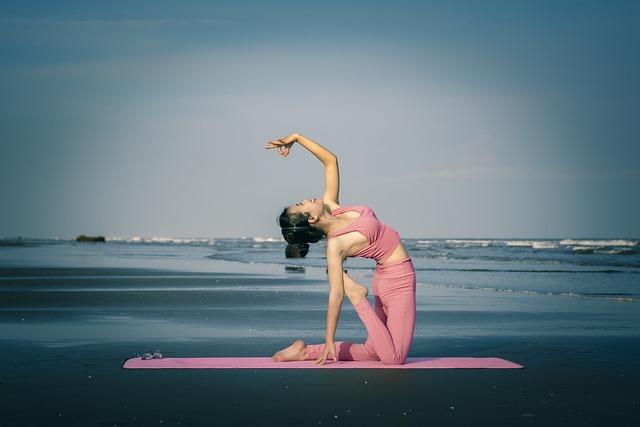
When it comes to incorporating stretches into your fitness routine, the choice between static and dynamic stretching can significantly impact your performance and recovery. Static stretches involve holding a position for a period, allowing muscles to elongate and relax. These are best suited for post-workout sessions as they help in reducing muscle tension and enhancing flexibility. On the other hand, dynamic stretches are active movements that warm up the muscles and increase heart rate, making them ideal for pre-workout preparation. They mimic the motions of your workout, effectively priming your body for the physical demands ahead.
- Static Stretching: Ideal for cooldown, aids in flexibility, helps prevent muscle stiffness.
- Dynamic Stretching: Perfect for warm-up, increases blood flow, prepares the body for activity.
Incorporating the right type of stretch at the right time can make a noticeable difference in how you perform and recover. Consider the nature of your workout and your personal fitness goals to decide whether a static or dynamic approach—or a combination of both—best suits your needs.

Expert Tips for Optimal Stretching Practices
Incorporating stretching into your workout routine can significantly enhance performance and reduce the risk of injury. Here are some expert tips to ensure you’re getting the most out of your stretching practices:
- Dynamic Stretching: Consider integrating dynamic stretches before your workout. These movements help increase blood flow and prepare your muscles for the activities ahead. Examples include leg swings, arm circles, and walking lunges.
- Static Stretching: After your workout, focus on static stretching to help your muscles relax and recover. Hold each stretch for about 15-30 seconds, allowing your body to release tension and improve flexibility.
- Listen to Your Body: Pay attention to how your body responds to different stretches. If a stretch feels painful, ease off and try a modified version. Stretching should feel like a gentle pull, not sharp pain.
- Consistency is Key: Make stretching a regular part of your fitness regimen. Consistent practice leads to greater flexibility and improved range of motion over time.
Insights and Conclusions
In the ever-evolving world of fitness, the debate about stretching before or after a workout continues to stretch our understanding of what best prepares and repairs the body. Whether you find yourself leaning towards pre-workout elongations or post-exercise releases, the key lies in listening to your body and understanding its unique needs. As you lace up your sneakers and hit the gym, remember that stretching, in whatever form you choose, is not just a routine—it’s a ritual of respect for the muscles that carry you through each stride, lift, and leap. So, take a deep breath, find your rhythm, and let your flexibility journey unfold, one stretch at a time.