



























In recent years, the ancient practice of mindfulness has emerged from the serene confines of monasteries and meditation halls to take its place in the bustling corridors of the modern world. Once a discipline steeped in simplicity and introspection, mindfulness is now a buzzword splashed across glossy magazine covers, featured in corporate wellness programs, and available at the tap of a finger through countless apps. As this age-old practice is repackaged and marketed to suit contemporary lifestyles, a compelling question arises: is modern mindfulness being commercialized? This exploration delves into the transformation of mindfulness from a spiritual endeavor to a multi-billion-dollar industry, examining the delicate balance between accessibility and authenticity. Join us as we navigate this complex landscape, seeking to understand whether the commercialization of mindfulness enhances its reach or dilutes its essence.
The Roots of Mindfulness: From Ancient Practice to Modern Trend
In tracing the journey of mindfulness, one must delve into its origins, where it was not just a practice but a way of life. Mindfulness has its roots in ancient Eastern philosophies and spiritual traditions, such as Buddhism and Hinduism, where it was used as a tool for achieving spiritual enlightenment and personal growth. In these traditions, mindfulness was intertwined with meditation, self-awareness, and a deep understanding of the present moment. Its practice was often a disciplined, sacred ritual, fostering a profound connection between the mind and the world.
Fast forward to today, and mindfulness has emerged as a prominent trend in the West, championed for its benefits on mental health and well-being. However, this transformation raises questions about its authenticity and purpose. The modern adaptation often emphasizes stress reduction and productivity enhancement, sometimes at the expense of its deeper, spiritual dimensions. Critics argue that this shift is symptomatic of a larger trend where spiritual practices are repackaged into marketable commodities. Consider the following:
- Mindfulness apps: Offering guided sessions that promise quick relief.
- Workshops and retreats: Often with hefty price tags, catering to a niche audience.
- Books and merchandise: Transforming mindfulness into a lifestyle brand.
While the commercial landscape of mindfulness has undeniably expanded its reach, it also invites reflection on maintaining the integrity of its ancient roots amidst modern adaptations.

Mindfulness in the Marketplace: Examining the Commercialization Wave
As the quest for mental clarity and emotional balance becomes a mainstream pursuit, the commercial realm has eagerly embraced this trend. This has led to a burgeoning industry where mindfulness is packaged and sold, often stripped of its profound roots. Mindfulness apps, guided meditation subscriptions, and corporate mindfulness training are just a few examples of how ancient practices are being commodified. While these products offer accessibility and convenience, they also raise questions about authenticity and depth. Is the essence of mindfulness being diluted to fit a marketable mold, or are these modern adaptations a natural evolution that meets the needs of today’s fast-paced society?
- Mindfulness Apps: Promising peace in your pocket, these digital tools offer guided meditations and tracking features.
- Wellness Retreats: Often luxurious and expensive, these retreats provide an escape but may cater more to lifestyle branding than genuine practice.
- Corporate Programs: Designed to enhance productivity, these initiatives sometimes prioritize efficiency over personal growth.
Ultimately, the intersection of mindfulness and commerce invites us to reflect on our own engagement with these practices. Are we seeking genuine transformation, or simply participating in the latest lifestyle trend?

The Impact of Profit on Authentic Mindfulness Practices
The intersection of profit motives and traditional mindfulness practices has created a landscape where the essence of mindfulness is sometimes overshadowed by commercial interests. Mindfulness, originally rooted in ancient spiritual traditions, has been rebranded into a marketable commodity, often stripped of its deeper philosophical underpinnings. This transformation can dilute the authenticity of the practice, reducing it to a mere tool for productivity rather than a pathway to genuine self-awareness and inner peace.
As mindfulness becomes a buzzword in wellness circles, several implications arise:
- Accessibility vs. Authenticity: The commercialized approach makes mindfulness more accessible, yet often at the expense of its authenticity. Guided apps and courses proliferate, but how often do they delve into the profound teachings that have been passed down through generations?
- Profit-driven Content: With a focus on profit, content can be tailored more towards what sells rather than what truly benefits. This can lead to a cycle where mindfulness is presented in bite-sized, palatable forms that prioritize engagement over enlightenment.
- Consumer Mindset: As consumers, we are encouraged to buy into mindfulness as a product, with meditation retreats and workshops promising quick fixes rather than fostering a deeper, sustained practice.
While the commercialization of mindfulness does bring attention to its benefits, it also poses a risk of trivializing its core values, challenging practitioners to seek out and preserve the integrity of this age-old practice amidst the noise.
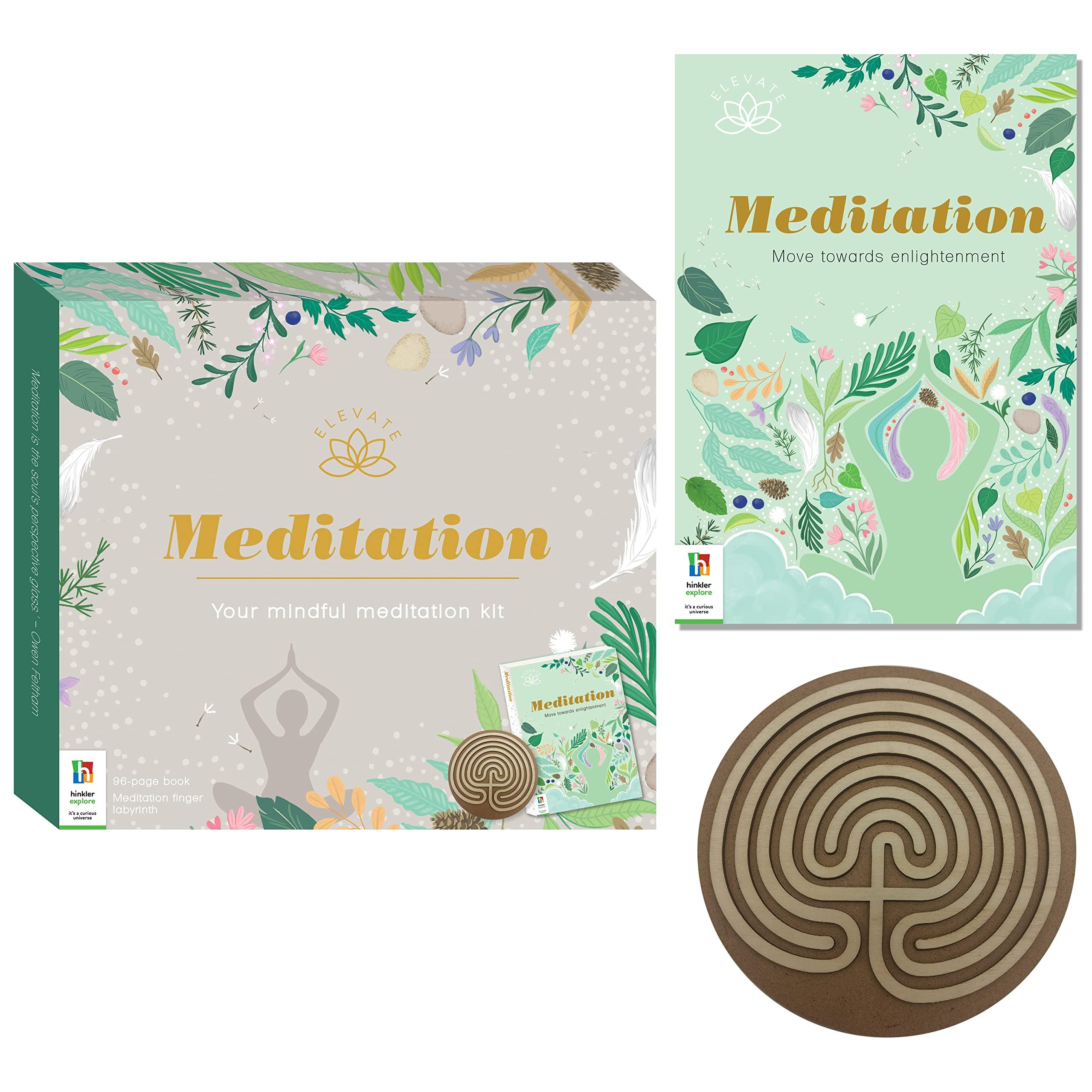
Navigating Mindfulness Products: How to Choose Genuine Resources
In the labyrinth of modern mindfulness products, discerning genuine resources from mere commodification can be a challenge. As the market becomes saturated with offerings, it’s crucial to hone your ability to select those that truly resonate with your mindfulness journey. Start by seeking out products that emphasize authenticity over aesthetics. Look for offerings from practitioners with a verifiable background in mindfulness, such as certified teachers or those with extensive experience in the field. A good indicator of a genuine product is a focus on education and personal growth rather than quick fixes or material gain.
- Check for endorsements from respected mindfulness communities or organizations.
- Read reviews from other users to gauge the product’s impact and reliability.
- Evaluate the content: genuine resources often offer a depth of information and practical exercises.
- Consider the purpose: is the product designed to support a deeper practice, or is it just another gadget?
Remember, the essence of mindfulness is simplicity and presence. Genuine products will encourage a deeper connection with yourself, not just add another item to your collection. As you navigate this space, let your intuition guide you towards resources that enhance your journey, fostering a more mindful existence without unnecessary distractions.
To Wrap It Up
As we draw the curtain on our exploration of modern mindfulness and its commercialization, we’re left with a kaleidoscope of perspectives. On one hand, the commercialization of mindfulness has undeniably broadened its reach, allowing ancient practices to seep into the nooks and crannies of our bustling lives. Apps, retreats, and branded experiences have made mindfulness accessible, turning it into a beacon for those seeking respite from the chaos.
On the flip side, the transformation of mindfulness into a marketable commodity raises questions about authenticity and intention. Are we nurturing a genuine practice, or are we merely consumers in a burgeoning industry? The answers may vary, reflecting the complexity of human experience and the myriad ways we seek peace.
the path of mindfulness is as personal as it is universal. Whether found in the quiet of a morning meditation, the pages of a glossy magazine, or the guidance of a digital app, the essence of mindfulness remains. It whispers for us to pause, breathe, and be present—commercialized or not. And perhaps, in navigating this delicate balance, we find our own truth, one mindful moment at a time.